The Smart Way to Store Returns: Using Stillages (Pallet Cages) to Organise the Reverse Logistics Loop
E-commerce growth has completely transformed consumer habits, but it has also brought a significant operational headache to the warehouse door: reverse logistics. Handling the sheer volume of returned items is the other half of the battle. Unlike outbound logistics — where items are neatly packed, uniform, and predictable — e-commerce returns are notoriously messy. Goods arrive back at the distribution hub in opened boxes, torn bags, or completely loose. If a facility does not have a dedicated system to manage this influx, the goods-in area quickly becomes a chaotic bottleneck.
To prevent returns from disrupting standard operations, warehouses need a robust containment solution that can instantly categorise and hold unpredictable loads. This is exactly where stillages — also widely known as pallet cages — become a strategic advantage. By implementing a system built around these heavy-duty metal containers, warehouse managers can establish a highly organised, secure holding zone. This allows teams to efficiently sort, inspect, and process returned merchandise before deciding whether it should be written off, repaired, or reintegrated into active inventory.
Key Takeaways
- Pallet cages (stillages) give warehouses a standardised containment system for the unpredictable flow of e-commerce returns
- Rigid pallet cages suit high-volume, year-round returns; demountable/collapsible cages suit seasonal spikes (e.g. post-Black Friday)
- Colour-coded or category-based pallet cages turn your goods-in area into a mini sorting production line
- Half-drop front gates on pallet cages reduce inspection time and staff injury risk
- Well-maintained metal cages extend equipment life and protect against costly premature replacement
What Is a Stillage?
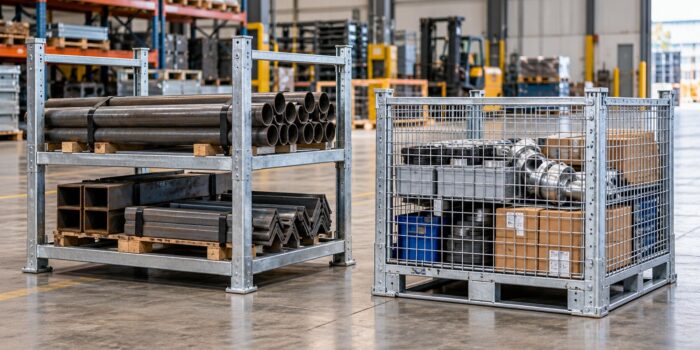
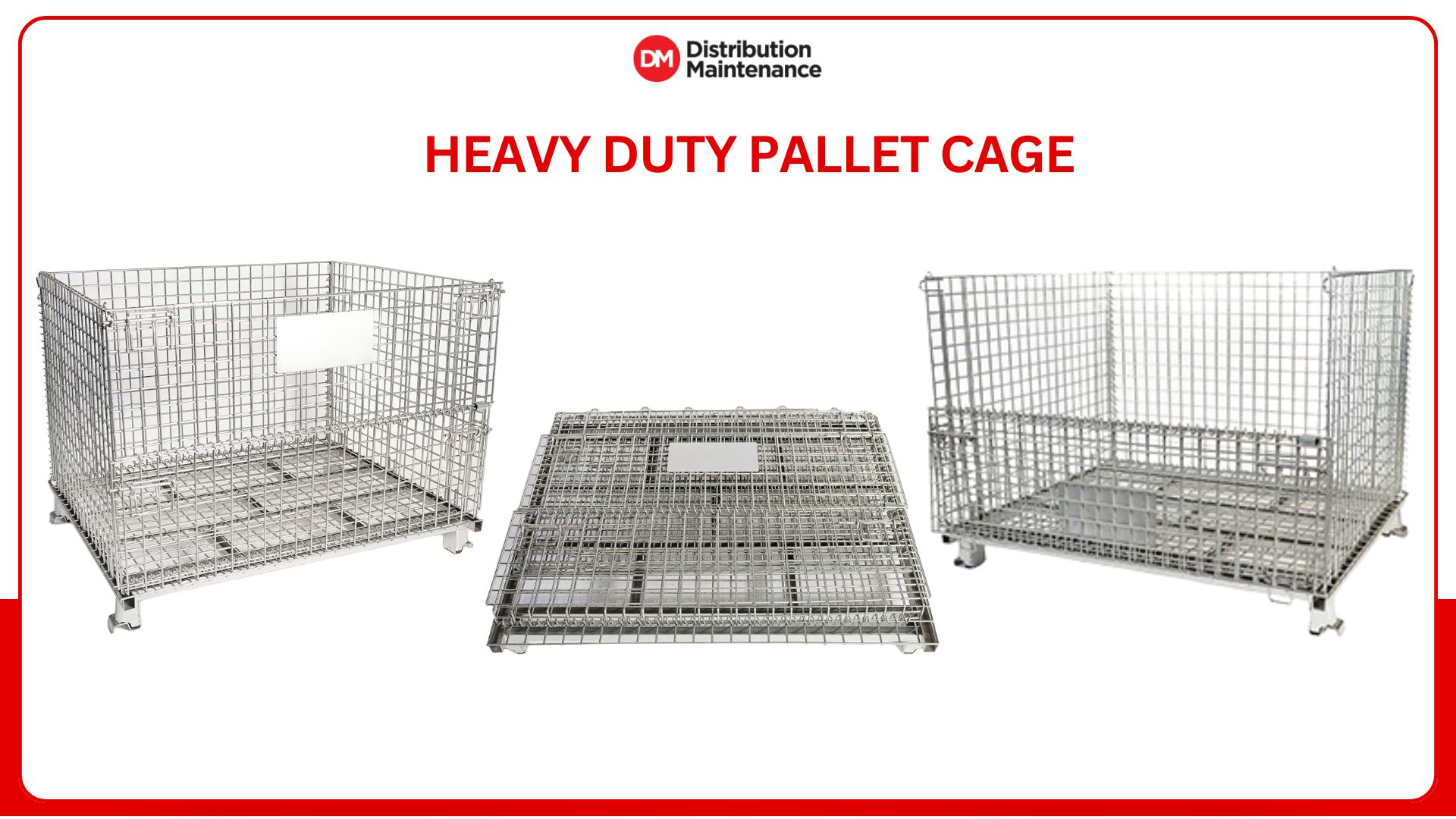
A stillage — also called a pallet cage or mesh cage — is a heavy-duty steel container with mesh or wire walls, built to sit on the footprint of a standard pallet and provide a secure, stackable vertical boundary for loose or mixed goods. Unlike open pallets or cardboard bins, stillages keep unpackaged, damaged, or irregular items contained, visible, and protected as they move through a warehouse.
- Available in rigid (fixed, welded frame) and demountable/collapsible designs
- Commonly used across retail, logistics, and manufacturing for returns handling, WIP storage, and stock consolidation
- Built from steel mesh infill, often finished with zinc plating for corrosion resistance
Why Do Warehouse Returns Create Chaos?
Managing returns is a complex process. When a customer sends an item back, it doesn’t immediately follow a standard picking path. First, it must be assessed. Is the item damaged? Is the packaging salvageable? Can it be resold at full price, or does it need to go to a secondary clearance channel?
Because this assessment takes time, returned items inevitably sit in a state of limbo. If a warehouse relies on standard wooden pallets or flimsy cardboard boxes to hold these items, the workspace rapidly deteriorates. Loose garments, unboxed electronics, or returned homeware items can easily fall off a flat pallet, creating a safety hazard and risking further damage to already vulnerable stock. Cardboard “dump bins” frequently tear or collapse under the weight of mixed items, adding to the clutter on the warehouse floor.
Pallet cages provide a solid, vertical boundary that solves this problem instantly. A single cage can hold a high volume of mismatched, loose items securely within the footprint of a standard pallet. By using steel mesh walls to contain the mess, you keep your gangways clear, protect your staff from trip hazards, and maintain a tidy, compliant facility even during peak return seasons like January.
Rigid vs Demountable Pallet Cages: Which Should You Choose?
Every warehouse operates differently, which is why having options in cage design is crucial. Depending on the space available and the speed of your returns loop, you can utilise either rigid or demountable pallet cages to structure your holding zone.
When Should You Use Rigid Pallet Cages?
For operations that experience a steady, unceasing stream of daily returns, rigid pallet cages are the ideal solution. Built with a fully welded, fixed steel frame, these units offer maximum structural integrity. They are designed for heavy-duty, continuous use and can handle the rough treatment of busy loading bays and frequent forklift movements.
The primary advantage of a rigid cage in a return loop is stackability. When returns arrive faster than your inspection team can process them, space becomes critical. Rigid cages are engineered to be safely stacked several units high when fully loaded. This allows you to expand your holding zone vertically, using your warehouse’s air space rather than sacrificing valuable floor space. The stock remains secure and organised while it waits for assessment.
The Flexibility of Demountable Pallet Cages
For operations that experience a steady, unceasing stream of daily returns, rigid pallet cages are the ideal solution. Built with a fully welded, fixed steel frame, these units offer maximum structural integrity. They are designed for heavy-duty, continuous use and can handle the rough treatment of busy loading bays and frequent forklift movements.
The primary advantage of a rigid cage in a return loop is stackability. When returns arrive faster than your inspection team can process them, space becomes critical. Rigid cages are engineered to be safely stacked several units high when fully loaded. This allows you to expand your holding zone vertically, using your warehouse’s air space rather than sacrificing valuable floor space. The stock remains secure and organised while it waits for assessment.
When Should You Use Demountable Pallet Cages?
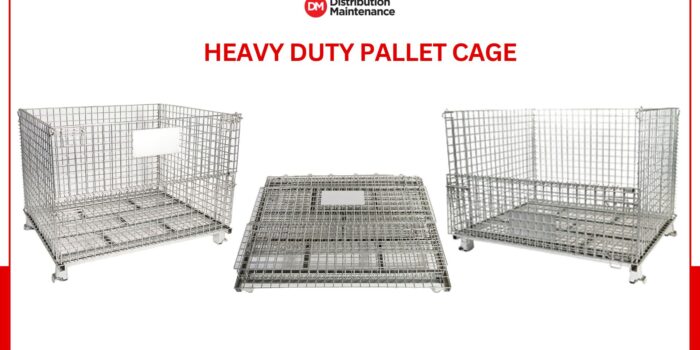
If your e-commerce returns are seasonal — surging dramatically after Black Friday or the post-Christmas sales — demountable pallet cages (also known as collapsible metal pallets) offer a highly flexible alternative. These units feature side panels that can be quickly detached from the base when the cage is not in use.
When your return volume drops back down to normal levels during the spring or summer, you don’t want empty cages taking up space on your floor. Demountable cages can be broken down and flat-packed in a matter of minutes. The collapsed components take up a fraction of the space, allowing you to store them neatly out of the way until the next peak hits. This on-demand scalability makes it easy to maintain a lean, efficient warehouse layout year-round.
How Do Pallet Cages Improve Your Inspection Zone?
To truly master reverse logistics, a warehouse must treat the returns holding zone as a mini production line. Pallet cages play a vital role in this workflow by acting as highly visible, moving sorting bins.
When mixed returns arrive at the loading bay, staff can immediately sort them into dedicated cages based on their initial condition or product category. For example, you might have one pallet cage designated for electrical goods requiring technical testing, another for clothing that needs repackaging, and a third for items that are clearly damaged and destined for disposal.
Because our pallet cages are constructed with heavy-duty steel mesh infill, managers and supervisors can see exactly what is inside each container at a glance without having to unpack it. This high visibility makes it simple to monitor backlogs. If the “electronics assessment” cage is empty, resources can be quickly reallocated to keep the processing line moving.
Furthermore, many of our cages feature half-drop front gates. This is a critical ergonomic detail for the staff working in the inspection zone. Instead of having to bend over deeply to reach loose items at the bottom of a deeper container, the worker can drop the top half of the gate down, allowing easy, strain-free access to the products. This small design feature speeds up individual inspection times and reduces the risk of repetitive strain injuries among your team.
How Do You Maintain Pallet Cages for Longevity?
An efficient returns system relies entirely on equipment that works. A pallet cage with a warped base, a broken gate latch, or compromised mesh isn’t just an inconvenience; it’s a safety risk and a potential point of stock damage.
At Distribution Maintenance, we provide high-specification, brand-new pallet cages built to handle the rigorous demands of modern logistics. Our cages are finished with bright zinc plating to ensure long-term resistance to scratches, scuffs, and corrosion, keeping your warehouse looking professional and clean.
However, we also know that industrial environments are tough on steel. If your existing fleet of cages has suffered damage on the road or from a forklift, our 12,000 sq ft engineering facility in Grantham is fully equipped to restore them. Our professional repair services help you straighten bent frames, realign gates, and replace damaged locking mechanisms. Keeping your fleet properly maintained ensures that your returns loop remains safe, efficient, and fully functional, avoiding the unnecessary cost of premature equipment replacement.
Frequently Asked Questions
Q: What is the difference between a pallet cage and a stillage?
“Stillage” and “pallet cage” refer to the same type of product — a steel mesh container built on a pallet footprint. “Stillage” is the more common term used across the UK warehouse and logistics industry, while “pallet cage” is used more widely in international/product terminology. If you’re deciding whether to buy new or refurbished stillages, see our dedicated guide.
Q: What is the best type of pallet cage for returns management?
For high-volume, year-round returns, rigid pallet cages offer the best stackability and structural durability. For seasonal spikes (e.g. Black Friday or post-Christmas returns), demountable/collapsible pallet cages are better, since they can be flat-packed when not in use.
Q: How long do steel pallet cages last?
With proper maintenance — including zinc-plated finishing and regular repair of bent frames or damaged gates — pallet cages can last many years in continuous industrial use. Damage from forklifts and general wear is the most common cause of early failure.
Q: Can damaged pallet cages be repaired instead of replaced?
Yes — bent frames, misaligned gates, and damaged locking mechanisms can typically be professionally repaired, which is significantly more cost-effective than replacing an entire fleet.
Q: Are pallet cages suitable for all warehouse sectors?
Yes — pallet cages are used across retail, e-commerce, manufacturing, and logistics for returns handling, work-in-progress (WIP) storage, and general stock consolidation wherever loose or mixed items need secure containment.
Q: What size pallet cage do I need?
Standard pallet cages are built to sit on a standard pallet footprint, but sizing depends on your item volume and warehouse layout. Contact Distribution Maintenance for guidance on selecting the right size and gate configuration for your returns workflow.
Conclusion: Regain Control of Your Floor
Reverse logistics doesn’t have to be a chaotic drain on your warehouse efficiency. By recognising that e-commerce returns require specialised containment, you can turn a messy operational problem into an organised, structured process. Rigid and demountable pallet cages offer the strength, visibility, and flexibility needed to tame the returns rush. They allow you to stack your overflow safely, sort your incoming stock, and provide your inspection team with an ergonomic, efficient workspace. With the right equipment in place, you can accelerate the inspection process, get saleable items back into inventory faster, and protect your company’s bottom line.
With over forty years of experience supporting the UK logistics and retail sectors, Distribution Maintenance has the practical solutions to keep your supply chain moving. Whether you are looking to invest in a new fleet of robust pallet cages or need expert repairs to bring your current equipment back to peak performance, we are here to support your growth.
Are you ready to bring order to your reverse logistics loop? https://distributionmaintenance.com/contact-us/ to explore our range of pallet cages and find the perfect storage solution for your warehouse.