New or Refurbished Pallet Cages: Which Should You Choose?
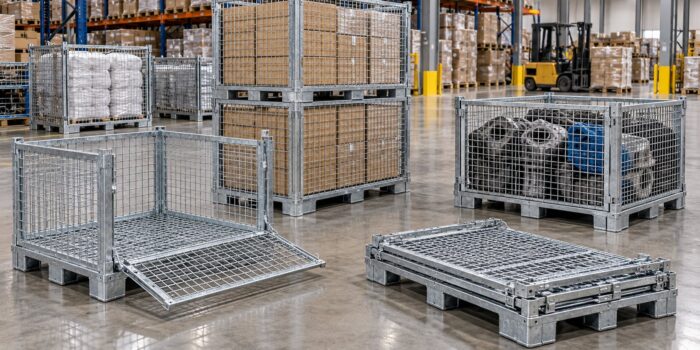
Pallet cages have become an essential part of the logistics industry, offering a safe and efficient way to transport and store goods. Today, pallet cages are widely adopted across sectors for their ability to speed up loading and unloading, protect staff from injury, and reduce overall transit time. But when it’s time to invest, one decision matters most: should you buy new pallet cages or go refurbished?
Key Takeaways
- Regardless of new or refurbished, regular maintenance is essential to maximise the lifespan of your fleet
- New pallet cages offer improved safety compliance, longer lifespan, customisation, and a manufacturer’s warranty
- Refurbished pallet cages are more cost-effective, more sustainable, and typically have shorter lead times
- The right choice depends on your budget, frequency of use, hygiene requirements, and environmental goals
What Types of Pallet Cages Are Available?
Pallet cages come in two main types: new and refurbished. New pallet cages are brand-new units that have never been used before — they come directly from the manufacturer and are usually more expensive than refurbished cages. Refurbished pallet cages are used cages that have been restored to their original condition, typically at a lower cost, making them a cost-effective option for businesses looking to save money.
When deciding between the two, consider your budget, frequency of use, hygiene requirements, and environmental priorities. Both types require regular maintenance and care to stay in good condition.
Across the industrial equipment sector more broadly, refurbished units typically cost 40–70% less than new equivalents, with lead times cut from several months down to just weeks (Source: Alibaba.com Seller Insights, 2026). While pricing varies by supplier and cage specification, this reflects the scale of savings businesses can expect when weighing new against refurbished.
What Are the Advantages of Choosing New Pallet Cages?
In distribution, pallet cages are a staple asset for efficient transport of goods — versatile, easy to handle, and built to withstand rigorous use. New pallet cages offer four core advantages:
Improved Safety
New pallet cages meet the latest safety standards and regulations. They’re manufactured with high-quality materials designed to handle heavy loads, reducing the risk of accidents and injuries — particularly important when transporting fragile or hazardous goods.
Long-Term Durability
Investing in new pallet cages guarantees a longer-term return on investment. They’re designed to withstand wear and tear from regular use, meaning fewer repairs or replacements in the near future, and a longer overall lifespan.
Customisation Options
Every business has different transport needs. New pallet cages can be customised for size, shape, and even colour — improving efficiency and reducing handling time.
Manufacturer’s Warranty
New pallet cages come with a manufacturer’s warranty, providing peace of mind. If defects or damage occur within the warranty period, the manufacturer will repair or replace them at no extra cost.
What Are the Advantages of Choosing Refurbished Pallet Cages?
Refurbished pallet cages are an excellent option for businesses looking for a cost-effective, eco-friendly distribution solution. These cages undergo a rigorous refurbishment process that restores them to their original condition, often at a fraction of the cost of new units.
- Cost-effective: Reduce equipment spend without compromising on quality
- Sustainable: Lower environmental impact than new cages, reducing waste and carbon footprint
- Shorter turnaround time: Larger available stock means orders can be fulfilled rapidly, even in bulk
- Some flexibility: Can accommodate unusual shapes and loads, though with fewer customisation options than new cages
There’s also a measurable environmental case for choosing refurbished. Every tonne of steel recycled and reused — rather than manufactured from raw materials — avoids roughly 1.5 tonnes of CO2 emissions and 1.4 tonnes of iron ore consumption (Source: UK scrap metal recycling industry data, 2026). For steel-heavy equipment like pallet cages, choosing refurbished directly supports this reduction.
What Factors Should You Consider When Choosing Between New and Refurbished?
Four factors should guide your decision:
- Budget: New pallet cages cost more upfront but offer long-term durability, customisation, and warranty. Refurbished cages suit tighter budgets.
- Frequency of Use: Frequent, heavy-duty use benefits from the durability of new cages. Infrequent or occasional use makes refurbished a more viable option.
- Hygiene Requirements: Industries like food and healthcare may require the higher hygiene standard that new cages offer, since refurbished units may not always meet the same standard even after cleaning.
- Environmental Concerns: Refurbished cages are more sustainable, as they’re repurposed rather than manufactured from new materials.
How Do You Maintain and Care for Pallet Cages?
Whether new or refurbished, proper maintenance is essential for longevity and safety:
- Regular cleaning: Clean cages routinely to prevent dirt and debris buildup, which can compromise safety and hygiene. Ensure cages are completely dry before reuse.
- Repairs and replacements: Inspect cages regularly and replace damaged parts immediately to avoid accidents.
- Staff training: Ensure staff are properly trained on safe handling and are aware of current safety protocols, with regular refresher sessions.
Frequently Asked Questions
Q: Is it cheaper to buy refurbished pallet cages instead of new?
Yes — refurbished pallet cages are typically less expensive than new units, though the exact saving depends on condition, supplier, and cage specification. Contact Distribution Maintenance for a like-for-like quote.
Q: How long do refurbished pallet cages last compared to new ones?
New pallet cages generally have a longer lifespan than refurbished units, since refurbished cages have already undergone a period of use. With proper maintenance, however, refurbished cages can still provide many years of reliable service.
Q: Are refurbished pallet cages safe to use?
Yes — reputable refurbishment processes restore cages to meet safety standards. Always buy from a supplier that inspects, repairs, and certifies cages before resale rather than sourcing informally.
Q: Can I customise a new pallet cage to my specifications?
Yes — new pallet cages can typically be customised for size, shape, and colour to match your specific handling and branding needs. Refurbished cages offer more limited customisation.
Q: Do refurbished pallet cages meet hygiene requirements for food or healthcare use?
Not always to the same standard as new cages, even after cleaning. If your industry has strict hygiene requirements, new pallet cages are typically the safer choice.
Q: What’s the difference between a pallet cage and a stillage?
“Pallet cage” and “stillage” describe the same type of steel mesh container — stillage is the more common term used across UK warehousing. For a deeper look at how stillages/pallet cages are used in returns handling, see our guide: The Smart Way to Store Returns: Using Stillages to Organise the Reverse Logistics Loop.
Conclusion
The choice between new and refurbished pallet cages ultimately depends on your budget, frequency of use, hygiene requirements, and environmental priorities. New cages offer improved safety, long-term durability, customisation, and a manufacturer’s warranty. Refurbished cages are cost-effective, sustainable, and quicker to source. Regardless of which you choose, regular maintenance — cleaning, timely repairs, and staff training — is essential to keep your fleet safe and effective.
Not sure which option fits your warehouse? Contact Distribution Maintenance today for a tailored recommendation on new or refurbished pallet cages.