Racking Inspection: UK Requirements, How Often and What to Check
Pallet racking takes knocks every day from forklifts, pallets and overloading. Most damage is small, but left unchecked it weakens the structure until a bay can fail. A regular racking inspection finds that damage early, keeps people safe and shows you are meeting your legal duties. This guide explains the UK requirements, how often to inspect, how damage is rated, and what to check.
Is racking inspection a legal requirement in the UK?
Yes, in effect. Racking counts as work equipment under the Provision and Use of Work Equipment Regulations 1998 (PUWER), which require equipment to be maintained in a safe condition and inspected where deterioration could cause danger. The HSE’s guidance on warehousing and storage, HSG76, sets out how to do this for racking, and it is the benchmark HSE inspectors use.
HSG76 recommends that every site names a Person Responsible for Racking Safety (PRRS). This person organises inspections, keeps records and makes sure damage is acted on.
How often should racking be inspected?
UK guidance sets two levels of inspection:
| Inspection | Who does it | How often |
|---|---|---|
| Visual check | Trained staff, overseen by the PRRS | Weekly, or more often in busy areas |
| Expert inspection | A technically competent person, such as an independent qualified rack inspector | At intervals of no more than 12 months |
SEMA and the HSE recommend that the expert inspection is done by a SEMA Approved Racking Inspector (SARI). Sites with heavy forklift traffic, frequent damage or changes to the layout may need expert inspections more often than once a year.
Red, amber and green: how racking damage is rated
Inspectors classify damage using the SEMA traffic-light system:
| Rating | What it means | What to do |
|---|---|---|
| Red | Serious damage | Offload the bay immediately and keep it out of use until it is repaired |
| Amber | Damage that needs repair | Repair within 4 weeks. If it is not repaired in that time, it becomes red |
| Green | Minor damage, within limits | Record it and check it again at the next inspection |
Green does not mean “no risk”. It means the damage is within limits today, and it can move to amber or red if it gets worse.
Racking inspection checklist
Use this checklist for your weekly visual checks. Report anything you find to the PRRS.
- Uprights: dents, bends, twists, splits or rust, especially near the floor
- Beams: bending, sagging or impact damage
- Beam connectors: cracked welds, distorted hooks and missing safety locks
- Bracing: bent, loose or missing members
- Baseplates and floor fixings: loose, missing or damaged anchors
- Plumb: bays leaning or out of line
- Load notices: in place, readable and matching how the bay is used
- Loads: within the stated capacity and sitting squarely on the beams
- Pallets: broken or poor-quality pallets taken out of use
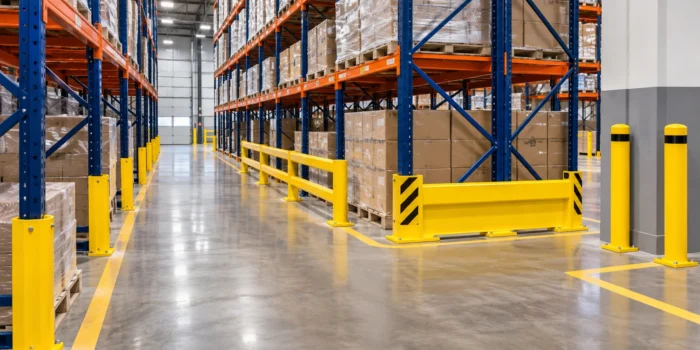
- Protection: upright guards and end barriers fitted and undamaged
What happens during a professional racking inspection?
An expert inspector checks every bay, rates each defect red, amber or green, and gives you a written report with the actions needed. A good report tells you exactly which components to replace and how urgently, so you can plan repairs around your operation.
Repairing damaged racking
Damaged components should be replaced, not straightened or welded on site, and replacement parts should match the original system. Offloading and isolating the bay comes first; the repair follows.
Distribution Maintenance inspects, repairs and installs warehouse racking across the UK. Our engineers work to SEIRS (Storage Equipment Installers Registration Scheme) standards, and we supply both new and refurbished racking. Find out more about our warehouse racking services or read our guide to pallet racking types, safety and repairs.
Prevent damage with rack protection
Most racking damage comes from forklift impacts. Upright guards, end-of-aisle barriers and clear aisle markings reduce how often bays are hit, which cuts repair costs and inspection findings. Ask us about rack guard protectors when you book your inspection.
Racking inspection FAQs
How often does racking need to be inspected?
Weekly visual checks by trained staff, plus an expert inspection by a technically competent person at intervals of no more than 12 months.
Who can carry out a racking inspection?
Weekly checks can be done by trained staff under the Person Responsible for Racking Safety. The annual expert inspection should be done by a technically competent person; SEMA and the HSE recommend a SEMA Approved Racking Inspector (SARI).
What does a red racking inspection mean?
Red is the most serious damage. Offload the bay immediately and keep it out of use until it is repaired.
How long do you have to fix amber racking damage?
Four weeks. Amber damage that is not repaired within four weeks becomes red.
Can damaged racking be repaired?
Yes. Damaged parts such as uprights, beams and bracing are replaced with matching components. They should not be straightened or welded in place.
Need your racking inspected or repaired? Contact us or call 01279 883 286.