How to Sell Used Roll Cages: Space and Value
Every warehouse has them. That forgotten corner where redundant equipment slowly piles up, gathering dust and quietly eating into floor space you’re paying good money for. If a stack of tired trolleys has become part of the furniture, here’s some good news: you can sell used roll cages rather than let them rust, and recover real value in the process. Whether you’ve got two cages or two hundred, surplus roll cages, pallet cages, Thermotainers and magnums are all worth far more as an asset than as scrap. This guide walks you through why, how, and what to do next.
Why do businesses end up with surplus roll cages?
Redundant equipment rarely appears overnight. It builds up gradually, and usually for perfectly sensible reasons. You might be downsizing a site, consolidating operations after a merger, or moving to a different cage specification that suits your goods better. Perhaps you over-ordered ahead of a seasonal peak that has since passed, or a contract has ended and left you holding equipment you no longer need.
Rebranding is another common culprit. When a company refreshes its identity, the old, differently coloured or branded cages often become surplus to requirements overnight. Whatever the reason, the outcome is the same: perfectly usable transit equipment sitting idle, taking up space, and delivering exactly zero return.
The hidden cost of hoarding old equipment
It’s tempting to leave surplus cages where they are and deal with them “later”. The trouble is, later has a habit of never arriving. Meanwhile, that idle equipment is costing you more than you might think.
First, there’s space. Warehouse floor space is one of the most expensive resources you own, and every square metre occupied by redundant cages is a square metre not earning its keep. Second, there’s safety. Damaged or unstable cages left in walkways or stacked haphazardly are a genuine hazard, and a cluttered site is a slower, riskier site. Third, there’s the missed value. Every month those cages sit unused, they’re depreciating — and you’re sitting on capital you could have released.
If any of that sounds familiar, it may simply be time for a clear-out. Our guide on the signs it’s time to upgrade your equipment is a useful companion read if you’re weighing up what to keep and what to move on.
Why selling used roll cages beats scrapping them
When surplus equipment finally hits the “must deal with this” list, many businesses reach straight for the scrap merchant. It feels like the quick option. In reality, it’s usually the wrong one, and for three clear reasons.
- You recover value. Scrap prices are calculated by weight and are a fraction of what your cages are actually worth as reusable equipment. Selling them as functional units — even damaged ones — returns far more to your bottom line.
- It’s the sustainable choice. Steel is one of the most recyclable materials on the planet, but reuse always beats recycling. Extending the working life of a roll cage keeps it in circulation, avoids the carbon cost of manufacturing a brand-new one, and supports the circular economy your customers increasingly expect you to be part of. (Consider linking here to an authoritative source such as WRAP for added credibility.)
- It’s genuinely easier. Selling to a specialist who arranges collection is often less hassle than organising a skip or a scrap run. No cutting, no sorting, no fuss.
In short, selling used roll cages is better for your budget, better for the environment, and usually the path of least resistance too.
What can you sell? (Condition matters less than you think)
Here’s the part that surprises most people: you don’t need pristine, showroom-ready cages to sell them. Because specialists like us repair and refurbish everything that comes in, we’re interested in equipment across the full range of conditions — including cages you might assume are only fit for the scrap heap.
We’re happy to take a look at:
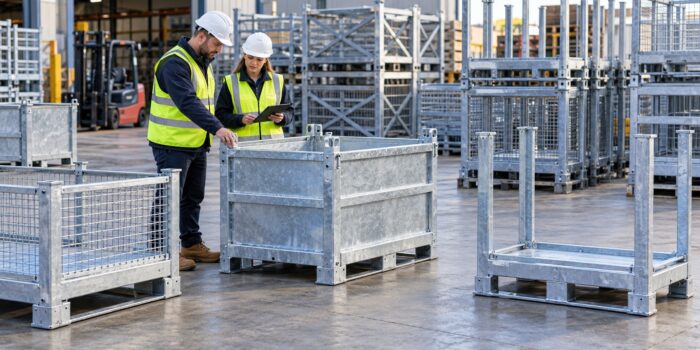
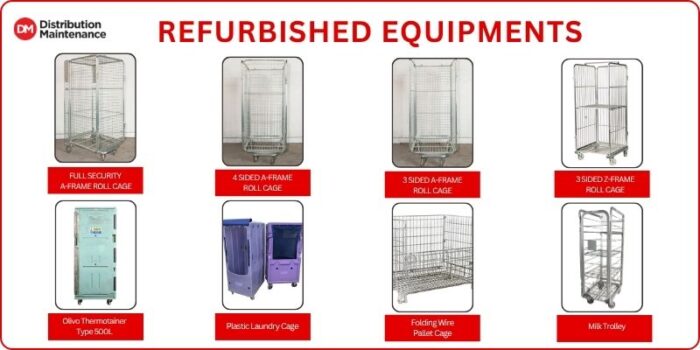
- Roll cages of all types — nestable A-frame, three-sided, four-sided and full-security cages.
- Pallet cages and folding wire cages, collapsible or fixed.
- Thermotainers and insulated containers.
- Magnums and collapsible plastic storage boxes.
Whether your equipment is in good working order, cosmetically tired, or carrying a few broken welds and dodgy castors, it’s worth an enquiry before you write it off. Damaged cages still hold value, because refurbishment brings them back to a clean, safe, fully working standard.
How to sell your used roll cages in four simple steps
Selling surplus equipment doesn’t need to be complicated. Here’s how straightforward the process is when you work with a specialist.
- Get in touch and tell us what you’ve got. A rough count and a few photos are all we need to make a start. Type, quantity and condition are the key details.
- Receive a fair valuation. We’ll assess your equipment and come back with an honest offer based on what it’s genuinely worth — not just its scrap weight.
- Arrange collection. With repair centres in Harlow (South) and Grantham (North) and nationwide coverage, we can organise collection at a time that suits your operation, so there’s no disruption at your end.
- Get paid — or trade up. Take the value as a straightforward sale, or offset it against a purchase. More on that below.
Prefer to trade in? Put the value straight back to work
Selling doesn’t have to mean simply cashing out. If you’re clearing old stock because you’re upgrading, a trade-in is often the smarter move. You can put the value of your surplus equipment directly towards our range of refurbished roll cages, reducing the cost of replacing what you need while clearing what you don’t.
It’s a tidy, closed loop: your redundant cages come in, get refurbished to an excellent, safe working condition, and go back out to another business — while you walk away with newer, better-suited equipment at a lower net cost. That’s the circular economy working in your favour.
Getting the best price when you sell used roll cages
A few simple steps can make a real difference to the value you recover:
- Don’t scrap the damaged ones. As above, broken cages are still worth money. Let a specialist assess them first.
- Sell in bulk where you can. Larger, consolidated lots are more attractive and often command better rates than a handful at a time.
- Keep them dry. Storing surplus cages undercover slows corrosion and protects their value while they wait.
- Have the details ready. A clear count, the cage type, and a couple of photos speed the whole process up and get you a quicker, sharper valuation.
Ready to clear the clutter?
That idle stack in the corner is an asset in disguise. Instead of paying to store it — or giving it away for scrap — turn it into space, value and a smaller carbon footprint. If you’re ready to sell used roll cages, pallet cages, Thermotainers or magnums, we’d love to hear what you’ve got.
Get a no-obligation valuation today: get in touch, chat to us online, or give the team a call. We’ll handle the collection — you just enjoy the extra space.
Frequently asked questions
Can I sell used roll cages that are damaged? Yes. Damaged, worn or incomplete cages still hold real value because they can be repaired and refurbished back to a safe, fully working condition. Always get them assessed before scrapping them.
How much are used roll cages worth? It depends on type, quantity and condition, but functional (or refurbishable) cages are worth considerably more than their scrap-metal value. The best way to find out is a quick, no-obligation valuation.
Do you collect surplus roll cages? Yes. With repair centres in Harlow and Grantham and nationwide coverage, collection can be arranged at a time that suits you, so there’s no disruption to your day-to-day operation.
Can I trade in old roll cages against new or refurbished ones? Absolutely. You can offset the value of your surplus equipment against a purchase from our refurbished range, lowering the net cost of upgrading.