What Is a Stillage? Types, Sizes and Common Uses in UK Logistics
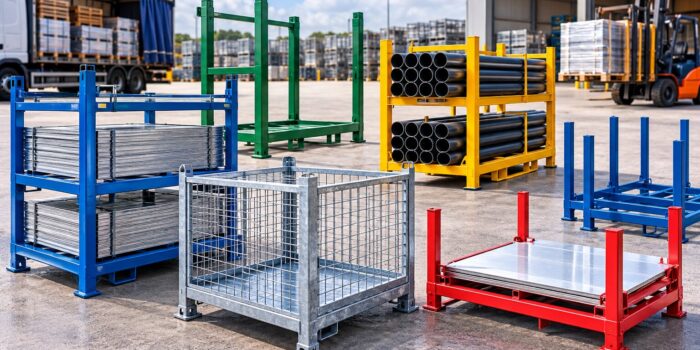
A stillage is a rigid metal (or sometimes plastic) container or frame used to store, stack and move goods by forklift or pallet truck. Stillages are built to carry heavy or awkward loads safely, and most are designed to stack on top of each other to save floor space.
This guide explains the main types of stillages, standard sizes and load ratings, the difference between metal and plastic stillages, and how stillages are used across UK logistics.
What Is a Stillage?
The word stillage comes from manufacturing, where stillages carry parts and work-in-progress between production lines. Today, stillages are used in warehouses, distribution centres, retail, automotive and recycling.
Most stillages share three features:
- A strong base with feet or a pallet-sized footprint, so a forklift or pallet truck can lift it
- Sides, posts or mesh to keep the load in place
- Stacking points so loaded stillages can be stacked safely
You may also see the word spelled “stilage”. It is a common misspelling of the same thing. The terms pallet stillage and stillage cage are also widely used. To understand how stillages compare with pallet cages, read our guide to the difference between a stillage cage and a pallet cage.
Types of Stillages
| Type | What it looks like | Best for |
|---|---|---|
| Mesh (cage) stillage | Steel wire mesh sides on a steel base | Mixed goods, parts and stock that need to be visible |
| Collapsible stillage | Mesh or solid sides that fold flat when empty | Return journeys and seasonal storage |
| Post pallet stillage | Steel base with removable corner posts | Long, bulky or irregular items |
| Box (solid-sided) stillage | Steel sheet sides | Small parts, scrap and loose items |
| Tyre stillage | Frame designed to hold tyres upright or stacked | Tyre storage and transport |
| Plastic stillage | Moulded plastic body | Food, hygiene-sensitive and lighter loads |
The mesh and collapsible types are often called pallet cages, and many UK suppliers use the two names for the same product.
Stillage Sizes and Load Capacities
Most stillages in the UK are built to one of two pallet footprints: the UK standard 1200 x 1000mm or the Euro 1200 x 800mm. This lets them fit standard racking, vehicles and pallet positions. Heights vary with the job, typically around 900mm to 1000mm for mesh stillages.
Load capacity depends on the build. These are the steel stillages and pallet cages we currently supply:
| Product | Condition | Size (W x D x H) | Load capacity | Gate |
|---|---|---|---|---|
| Refurbished Heavy Duty Pallet Cage | Refurbished | 1200 x 1000 x 890mm | 1500kg | Half and full drop-down |
| Folding Wire Pallet Cage | New | 1200 x 1000 x 1000mm | 800kg | Half drop-down |
| Refurbished Folding Wire Pallet Cage | Refurbished | 1200 x 800 x 980mm | 500kg | Half drop-down |
Always work to the rated load and stacking limit. When stillages are stacked, the bottom stillage carries the weight of every one above it, so the safe stacking height depends on the load as well as the stillage.
Metal vs Plastic Stillages
| Metal stillage | Plastic stillage | |
|---|---|---|
| Strength | Highest; suits heavy loads | Lower; suits lighter loads |
| Lifespan | Many years, and repairable | Long, but cracks are harder to repair |
| Hygiene | Good with a zinc-plated finish | Very easy to wash down |
| Weight | Heavier | Lighter |
| Best for | Manufacturing, automotive, warehousing | Food and hygiene-sensitive goods |
For most industrial loads, a metal stillage is the stronger and longer-lasting choice. For more on steel options, read metal cages and pallets: specs, types and buying guide.
Common Uses of Stillages in UK Logistics
Manufacturing and automotive. Moving components and work-in-progress between suppliers and production lines.
Warehousing. Turning loose stock into stackable unit loads that fit pallet racking.
Retail and returns. Collecting and sorting returned goods. See stillages for returns and reverse logistics.
Recycling and waste. Holding scrap metal, cardboard and packaging for collection.
New, Refurbished or Repaired?
New stillages give you consistent specifications and the full rated performance. Refurbished stillages are inspected, repaired and restored to a clean, safe working condition at a lower price. Read new or refurbished pallet cage for a full comparison.
Damaged stillages can usually be repaired rather than scrapped. Our pallet cage repairs service repairs and refurbishes damaged pallet cages and stillages on site, at our repair centre, or through collect and repair. If you are choosing who to buy from, our guide on how to choose a stillage supplier lists the questions to ask.
FAQ
Are stillages stackable?
Yes. Most stillages have stacking points or feet that locate into the stillage below, so loaded units can be stacked safely. The safe stacking height depends on the load and the manufacturer’s rating.
What are stillages used for?
Stillages are used to store and move parts, stock, returns and scrap in manufacturing, warehousing, retail, automotive and recycling.
What is the difference between a stillage and a pallet?
A pallet is a flat platform. A stillage adds sides, posts or mesh, so the load stays contained and loaded units can be stacked.
What size is a standard stillage?
Most UK stillages use a 1200 x 1000mm footprint, matching the UK standard pallet. Euro stillages use 1200 x 800mm.
How much weight can a stillage hold?
It depends on the design. Our steel stillages and pallet cages range from 500kg to 1500kg. Always check the rated load and stacking limit.
Are stillages and pallet cages the same?
They are very similar, and many UK suppliers use the names for the same product. Stillages tend to be more rigid and built for heavy industrial loads; pallet cages usually fold flat.
Find the Right Stillages for Your Operation
Distribution Maintenance supplies new and refurbished steel stillages and pallet cages, and repairs them across the UK from our depots in Harlow and Grantham.
Browse our new pallet cages, request a quote or contact our team today.